


When most travelers think of Korean spring, cherry blossoms in April come to mind first. But here's what the locals know: Chungcheong Province's spring actually begins in March — and it's breathtaking.
Long before the cherry blossoms arrive, Chungnam (South Chungcheong Province) bursts into color with vivid red camellia flowers along the coast, deep crimson plum blossoms framing centuries-old traditional homes, and fields of sweet strawberries ready for harvest. For travelers looking to experience Korea's spring away from the crowds, March in Chungcheong is an extraordinary opportunity.
This guide covers everything you need to know for a Chungcheong spring trip in March 2026: the best flower spots, festival dates, travel routes, and practical tips for getting around one of Korea's most underrated travel regions.
(The images in this article are AI-generated and may differ from the actual scene. Please use them for reference only.)
1. Understanding Chungcheong's March Flower Calendar
Unlike most regions where spring arrives in one dramatic burst, Chungcheong unfolds its flowers in a relay across the month. Understanding this sequence lets you plan a trip that catches multiple blooms in one visit.
| Mid-to-late March | Red & White Plum Blossoms | Jonghakdang Estate (Nonsan), Sinwonsa Temple (Gongju) |
| March 21 – April 5 | Camellia Flowers | Maryangri Camellia Forest (Seocheon) |
| March 26–29 | Strawberry Festival | Nonsan Citizens' Family Park |
| Late March – Early April | Daffodils | Yugibang House (Seosan), Chusa Old House (Yesan) |
| Late March – Early April | Cherry Blossoms (early) | Daejeon, Cheongju, Sejong Lake Park |
The key insight: traveling to Chungcheong in late March lets you experience plum blossoms, camellia flowers, AND the beginning of strawberry season all in a single trip.
2. Must-Visit Spots: Nonsan — Plum Blossoms and Sweet Strawberries
2-1. Jonghakdang Historical Estate — Chungnam's Hidden Plum Blossom Gem
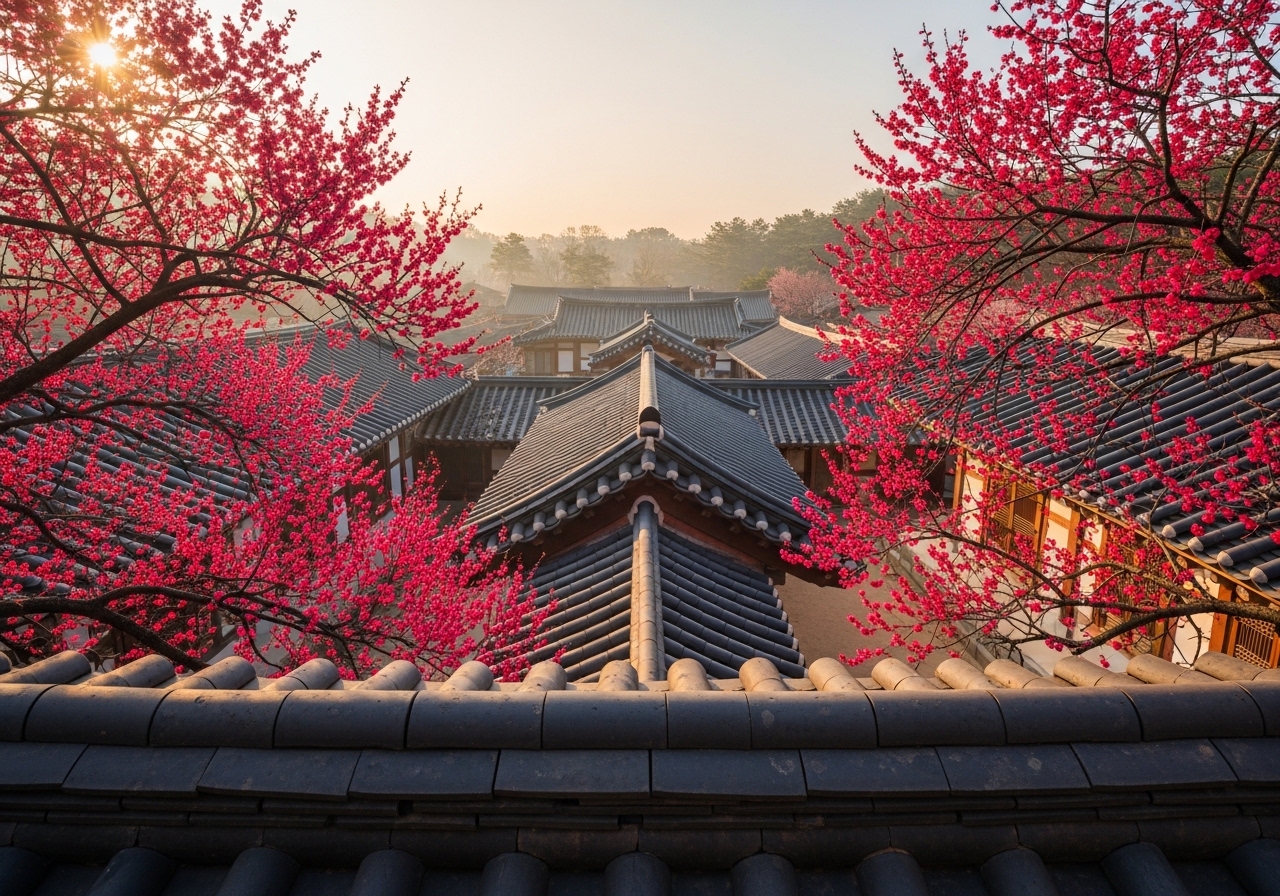
If you visit only one place in Chungcheong this March, make it Jonghakdang in Nonsan. This 500-year-old Confucian learning hall, historically used by the Papyeong Yoon clan during the Joseon Dynasty, transforms into one of Korea's most photographed spring destinations when its crimson hong-maehwa (red plum blossoms) burst into full bloom.
What makes Jonghakdang special isn't just the flowers — it's the contrast. Against the weathered grey tile roofs and centuries-old wooden eaves, the vivid red blossoms create a visual tension that is uniquely Korean. Early morning visits are strongly recommended, both for the soft golden light and to avoid crowds.
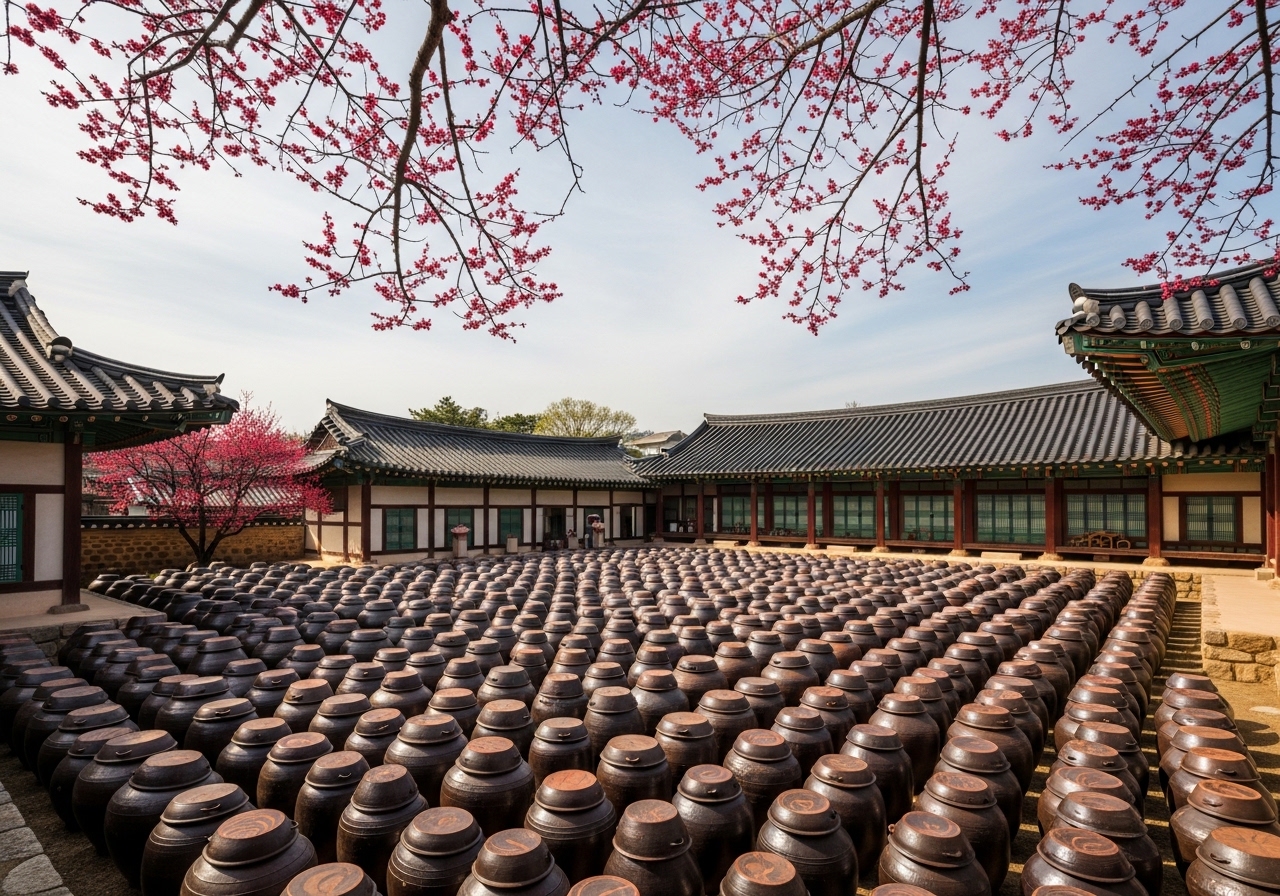
Just a five-minute walk away, Myeongjae Old House offers a companion scene: rows of traditional earthenware jars (jangdokdae) standing before plum blossoms. The combination provides exceptional photo opportunities that rival any spring destination in Korea.
Practical Information:
- Address: Byeongsa-ri, Noseong-myeon, Nonsan-si, Chungnam
- Admission: Free
- Best time to visit: Mid-to-late March (check local bloom reports before going)
- Tip: Arrive before 9 AM for the best light and fewest crowds

2-2. Tapjeongho Suspension Bridge — Walking Over a Spring Lake
A 30-minute drive from Jonghakdang brings you to Tapjeongho, home to Chungnam's longest suspension bridge at 402 meters. In spring, the surrounding hillsides turn pale green as fresh leaves emerge, creating a serene backdrop for the bridge walk.
In the evening, the lake comes alive with a spectacular media facade light show projected directly onto the water surface. If your schedule allows, staying through sunset rewards you with two entirely different experiences from the same location.
Practical Information:
- Address: 73 Tapjeonghosuil, Bujeogeup, Nonsan-si, Chungnam
- Admission: Free / Open year-round

2-3. Nonsan Strawberry Festival — Korea's Premier Strawberry Experience
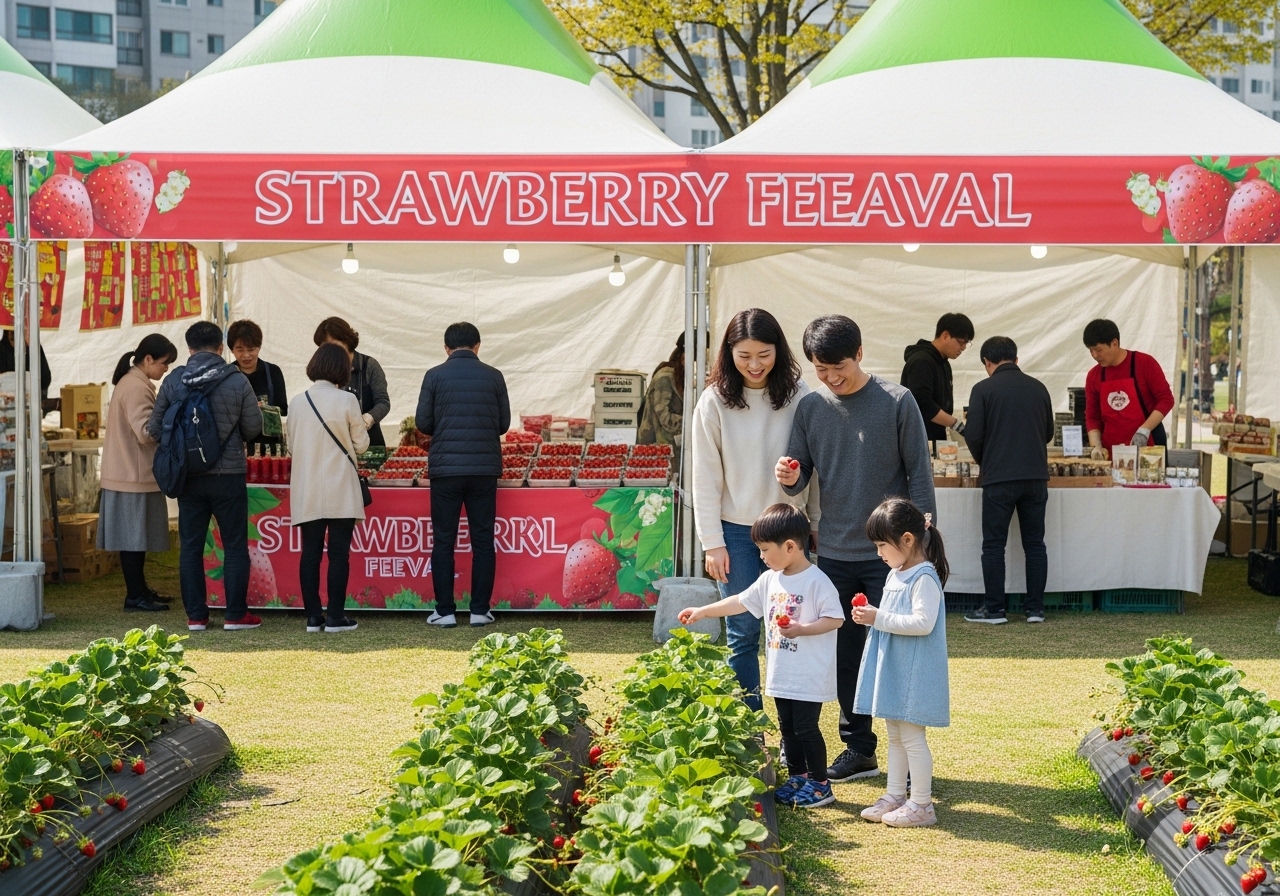
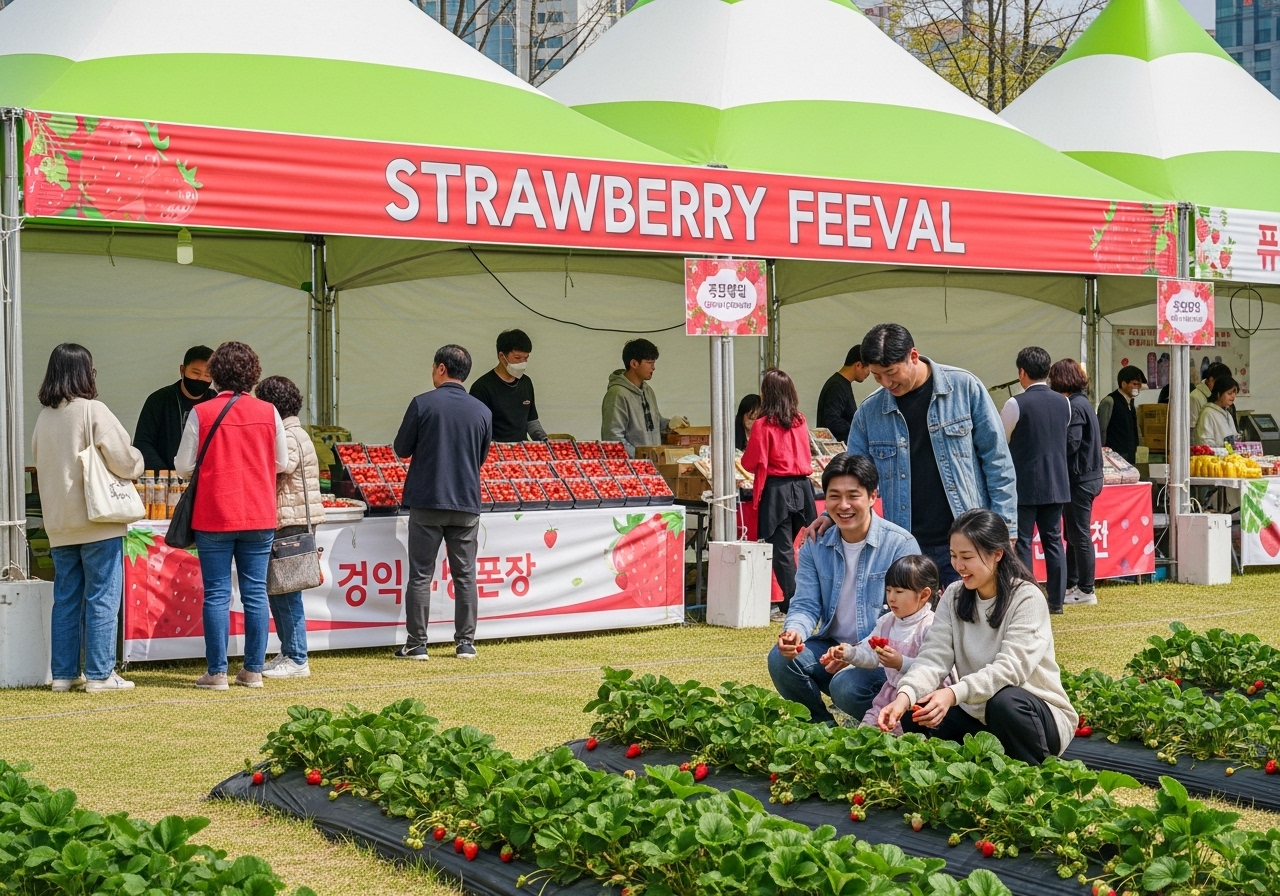
Nonsan is widely regarded as South Korea's strawberry capital, and for good reason. The region's combination of fertile soil, temperate climate, and generations of farming expertise produces berries that regularly top national quality rankings.
The annual Nonsan Strawberry Festival, designated as a national cultural tourism festival, runs for four days in late March. Beyond simple picking experiences, the festival offers cooking demonstrations featuring strawberry-based dishes, live performances, and direct access to the region's farming community. The difference between a Nonsan strawberry consumed fresh at the farm versus one purchased at a supermarket is immediately apparent in both sweetness and aroma.
Practical Information:
- Dates: March 26–29, 2026
- Location: Nonsan Citizens' Family Park
- Admission: Free entry (some activities may have separate fees)
3. Must-Visit Spots: Seocheon — Camellia Coast and Spring Seafood
3-1. Maryangri Camellia Forest — 500-Year-Old Trees and Sea Views
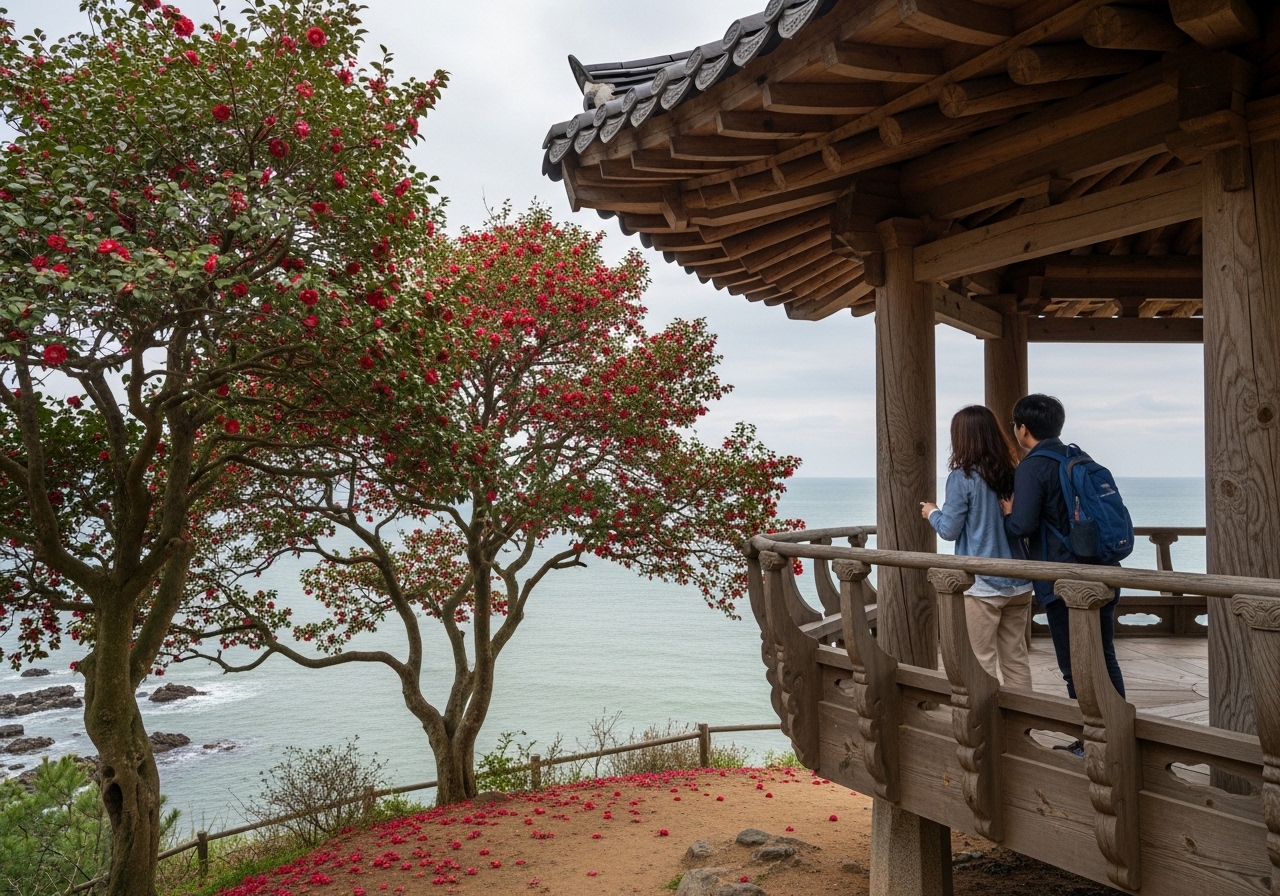
The Maryangri Camellia Forest in Seocheon county is one of Korea's most unusual natural treasures. The grove contains camellia trees estimated to be over 500 years old, forming a dense canopy above the coastal clifftops. From the Dongbaekjeong pavilion within the forest, visitors look out over the Yellow Sea (West Sea), with the contrast of red camellia flowers against the gray-blue water creating a scene that feels almost surreal.
The forest is particularly atmospheric in the early morning, when coastal mist often hangs between the ancient trees. Unlike many tourist sites, Maryangri remains relatively uncrowded even during peak season.

3-2. Seocheon Camellia and Spring Octopus Festival
The Seocheon Dongbaekkkot Jukkumi (Camellia & Spring Octopus) Festival is perhaps the most unusual springtime event in Chungcheong. It combines two things that happen to peak simultaneously in March: the camellia flower bloom and the spring octopus harvest season.
Spring octopus (jukkumi) is particularly prized in Korean cuisine for its plumpness — the creatures are full of eggs during this period, giving them a richness in flavor that off-season octopus lacks. Rich in taurine, spring octopus is traditionally valued for energy restoration after the fatigue of winter.
The festival grounds offer prepared octopus dishes, camellia flower viewing paths, cultural performances, and direct vendor sales of the day's catch from local fishing families. Adjacent Seocheon Specialized Market extends the food experience further, with stalls selling fresh seafood alongside regional specialties.
Practical Information:
- Dates: March 21 – April 5, 2026
- Location: Maryangji Port area, Seomyeon, Seocheon-gun, Chungnam
- Admission: Free
3-3. National Ecological Institute (Ecorium) — Five Climate Zones Under One Roof
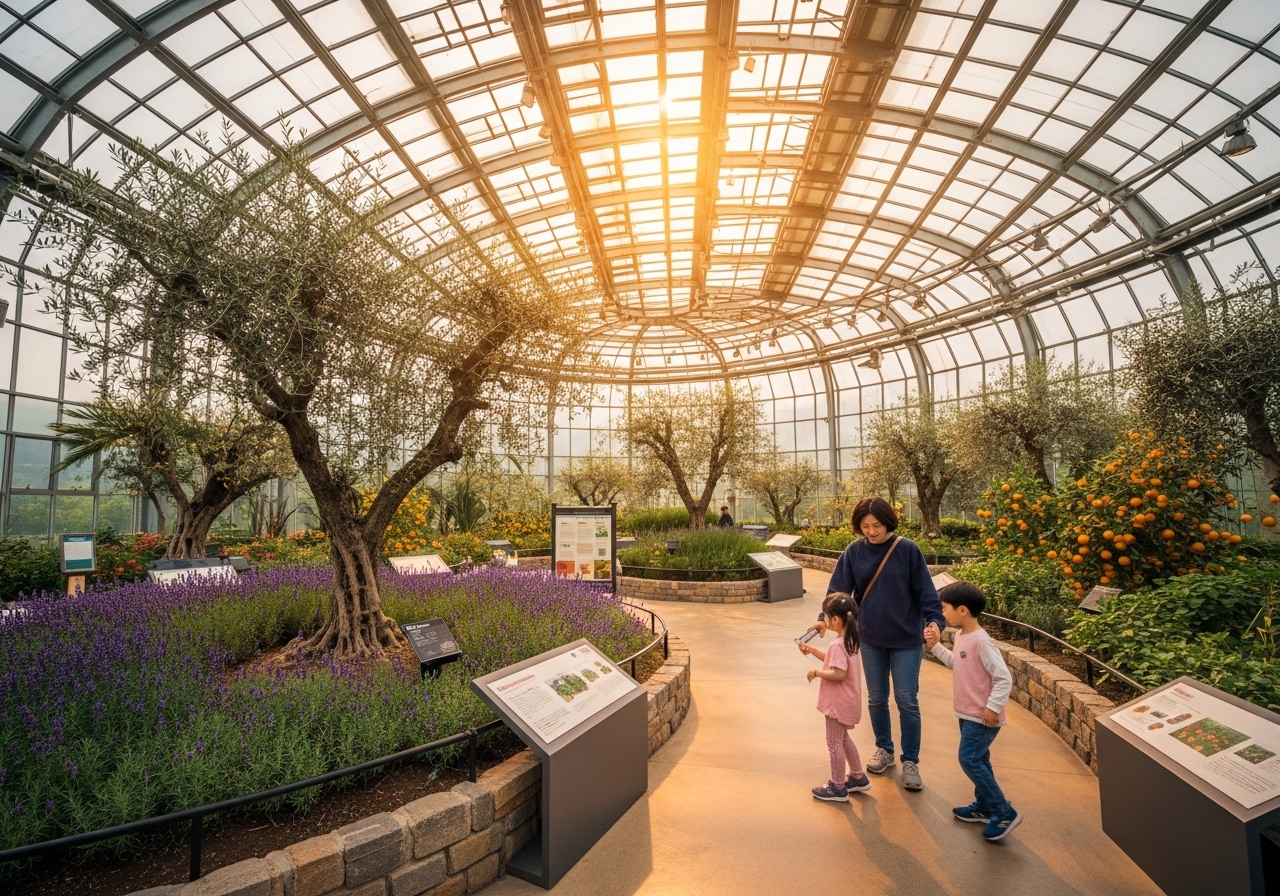
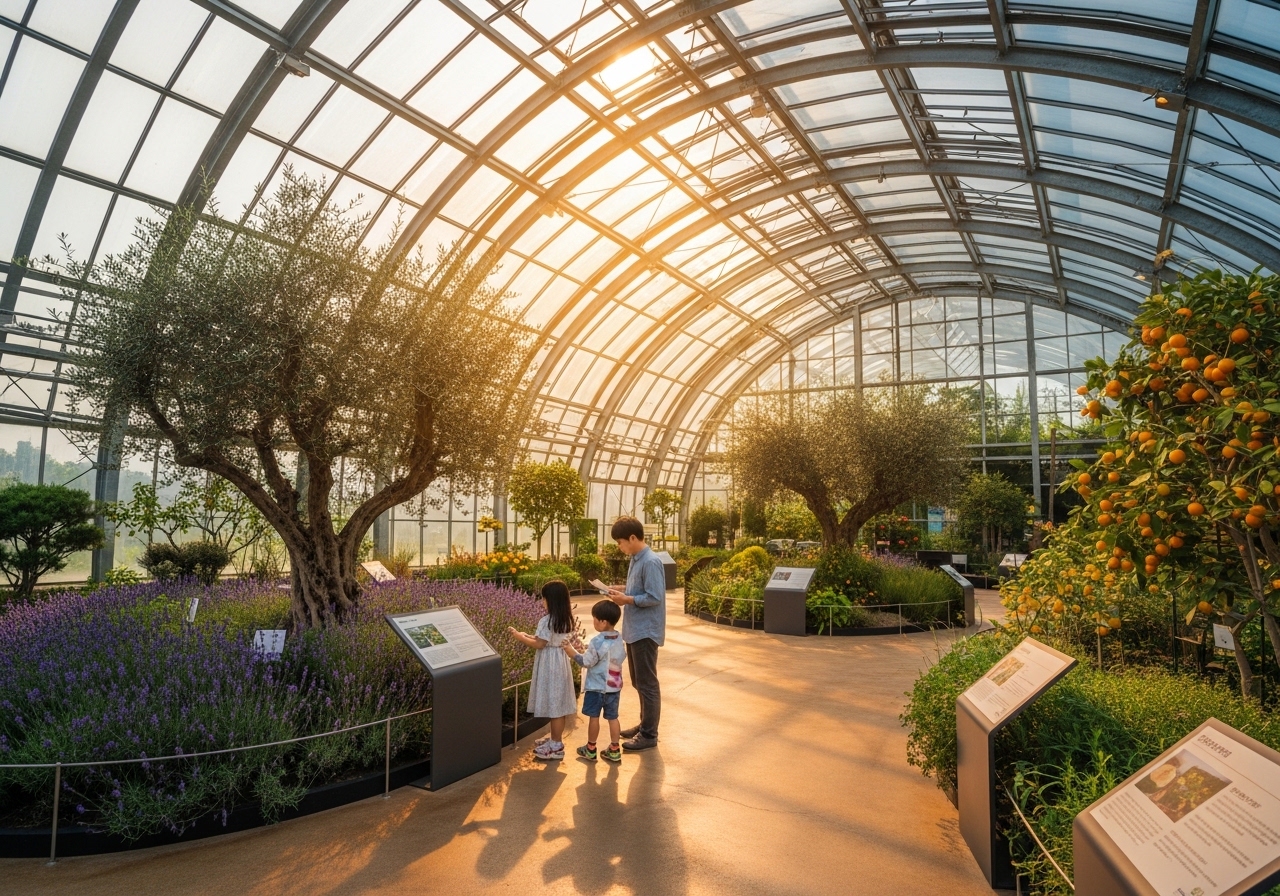
The National Ecological Institute (국립생태원) in Seocheon is one of Korea's most ambitious educational attractions. Its centerpiece, the Ecorium greenhouse complex, recreates five distinct global climate zones — tropical rainforest, Mediterranean, temperate, desert, and polar — within a single interconnected structure.
In spring, the temperate and Mediterranean zones bloom impressively, creating colorful scenes that contrast sharply with the raw coastal landscape outside. For families with children, the institute combines genuine educational value with genuine spectacle. For adults traveling without children, the scale and curation of the exhibits justify the visit independently.
Practical Information:
- Address: 1210 Geumgang-ro, Maseo-myeon, Seocheon-gun, Chungnam
- Admission: Adults ₩5,000 / Children ₩3,000
- Hours: 09:30–18:00 (Closed Mondays)
3-4. Janghang Skywalk — The Yellow Sea at Eye Level
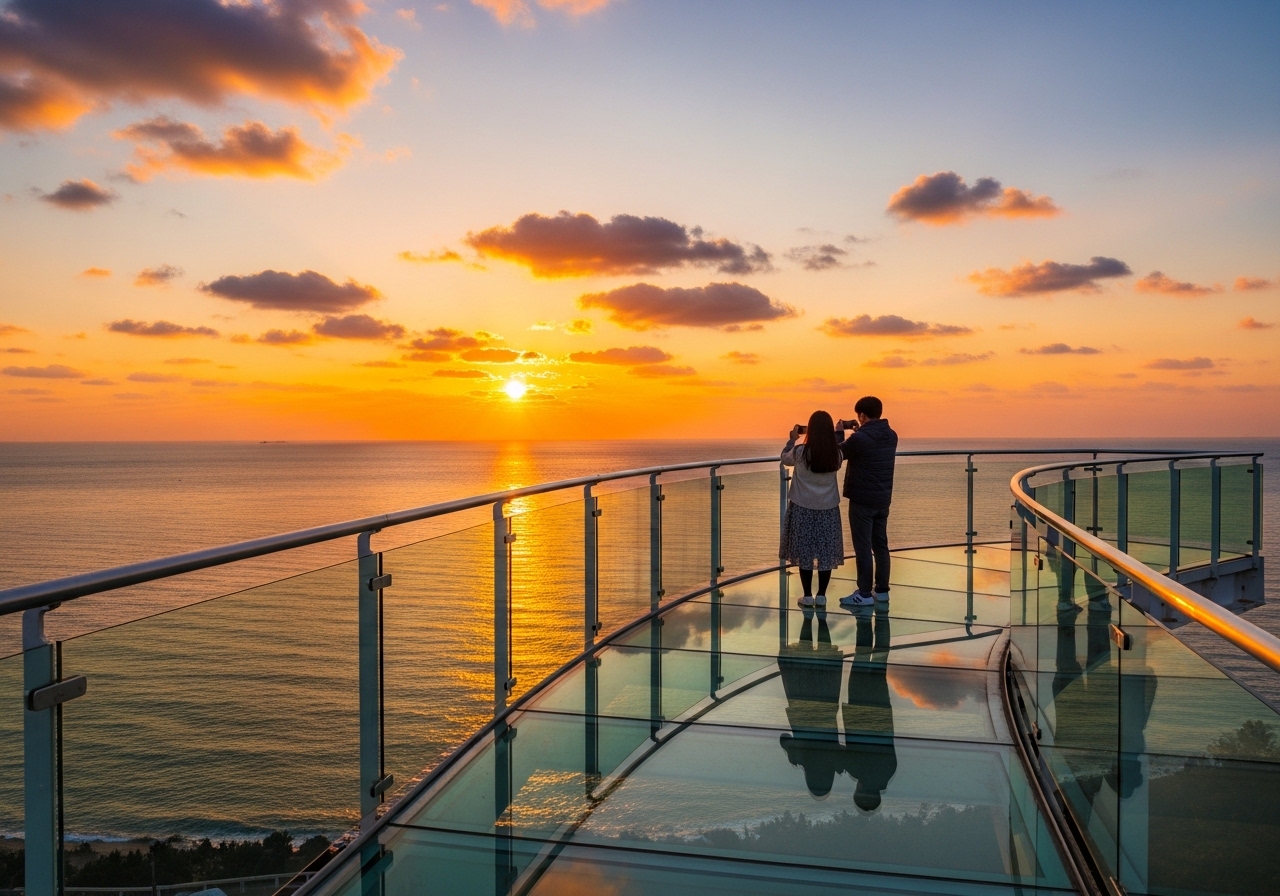
The final stop on the Seocheon route, Janghang Skywalk extends out over the Yellow Sea from the edge of Janghang Pine Forest (장항송림자연휴양림). The forest itself — home to over 12,000 Korean red pine trees — is worth walking through before reaching the skywalk platform.
From the skywalk, the Yellow Sea spreads out in all directions, particularly striking in the hour before sunset when the light turns golden. Both the forest trail and skywalk are free to enter, making this the highest value-for-cost experience in the Seocheon itinerary.
Practical Information:
- Address: 34 Janghang Sandan-ro, Janghang-eup, Seocheon-gun, Chungnam
- Admission: Free / Hours: 09:00–18:00

4. Planning Your Chungcheong March Trip
Getting There From Seoul
| Seoul → Nonsan | KTX (Yongsan Station) | ~1 hr 10 min |
| Seoul → Seocheon/Janghang | Express bus or transfer | ~2 hrs |
| Seoul → Nonsan (by car) | Highway via Cheonan-Nonsan | ~1 hr 40 min |
| Nonsan → Seocheon | Car | ~40 min |
Special Rail Discount: Under the 2025–2026 Chungnam Visit Year campaign, train passengers traveling to Nonsan and Seocheon receive 50% discounts on rail fares through the regional loyalty program. This makes train travel particularly economical for this route.
2-Day Recommended Itinerary
Day 1 — Nonsan Morning: Jonghakdang Estate + Myeongjae Old House (plum blossoms) Lunch: Ganggyeong traditional market (salted seafood specialty) Afternoon: Nonsan Strawberry Festival (if dates align) + Tapjeongho bridge Evening: Tapjeongho media facade light show
Day 2 — Seocheon Morning: Maryangri Camellia Forest (early for best light) Midday: Seocheon Camellia & Octopus Festival + Seocheon Specialized Market Afternoon: National Ecological Institute Late afternoon: Janghang Pine Forest + Skywalk (for sunset)
Practical Tips for Foreign Travelers
Korean spring weather in Chungcheong requires layers — daytime temperatures typically reach 12–15°C, but mornings and evenings can drop to 5°C or below. Sudden cold snaps (called kkotseomchu-wi, or "flower cold") occasionally occur in late March. A light down jacket or compact windproof layer is essential.
Rental cars from Seoul provide the most flexibility for this itinerary, as public transportation between smaller Chungnam towns can require multiple transfers. Navigation apps Kakao Map and Naver Map both work excellently with English interfaces and provide accurate real-time transit information.
For accommodation, staying in Nonsan or Buyeo puts you centrally between the Nonsan and Seocheon attractions, typically a 40–60 minute drive to either destination.
5. What Makes Chungcheong Spring Different
Most international visitors to Korea experience spring through Seoul's Yeouido cherry blossoms or Jinhae's cherry blossom festival — spectacular events, but crowded to the point where the flowers themselves become secondary to managing the crowd.
Chungcheong's spring offers something different: intimate encounters with blooming landscapes at sites that haven't yet been discovered by the mass tourism circuit. Jonghakdang's plum blossoms, Maryangri's ancient camellia forest, and Tapjeongho's evening light show all deliver genuine aesthetic experiences without the infrastructure overhead of Korea's most famous spring destinations.
The food dimension adds another layer. Spring octopus at the Seocheon festival and Nonsan strawberries at their source connect visitors to Chungnam's agricultural identity in ways that generic tourist restaurants cannot replicate.
6. Traveler Experiences
Experience 1 — Couple from Seoul (Nonsan) "We almost skipped Jonghakdang because we'd never heard of it. A friend recommended it the week before our trip. The red plum blossoms against the traditional rooflines were unlike anything we'd seen — and we've been to all the famous spring spots in Korea. We posted photos and our foreign friends kept asking where it was."
Experience 2 — Family with children (Seocheon) "The combination of camellia flowers and fresh octopus sounds strange on paper but makes complete sense once you're there. The children loved the National Ecological Institute — we spent three hours there without them getting bored. The skywalk at sunset was the perfect ending to the trip."
Conclusion
Chungcheong Province in March offers a version of Korean spring that most travelers never find: authentic, unhurried, and grounded in the real seasonal rhythms of one of Korea's most historically rich regions. The plum blossoms of Nonsan, the camellia coast of Seocheon, and the strawberry fields connecting them form a spring itinerary worth planning a trip around.
If you're traveling to Korea in March 2026, Chungcheong deserves serious consideration alongside the more famous spring destinations. You may find, as many repeat visitors have, that it becomes the spring experience you return to.